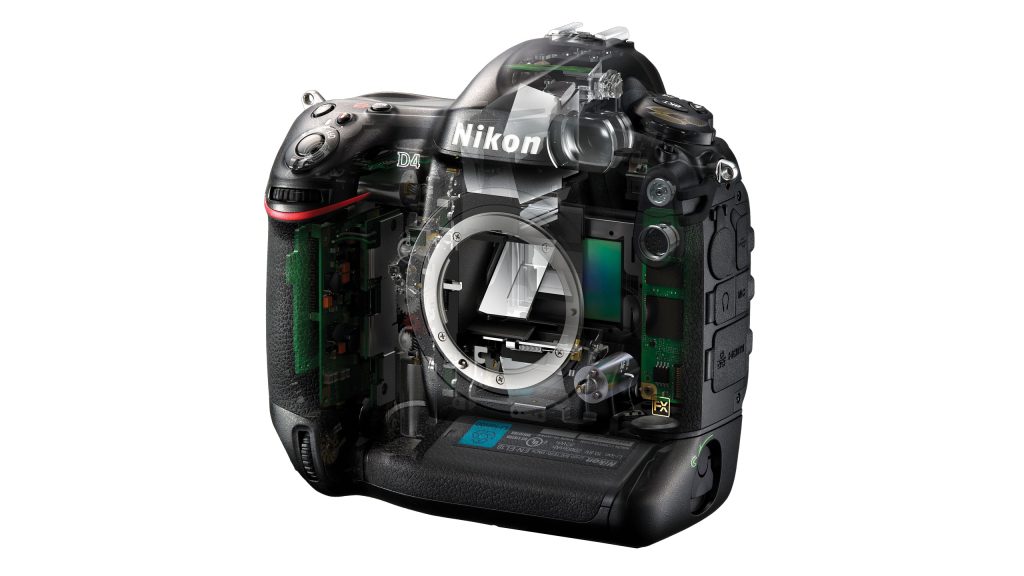
A comment in one of my recent articles about DSLRs made me realise that this was a topic I hadn’t covered. I am a DSLR fan (you may have noticed) but it’s true that DSLR phase-detect autofocus, while fast and efficient, is not always as accurate as a modern mirrorless system. I’m not talking about AF tracking or AF point coverage across the frame, I’m talking about precision, and the more complex way that DSLR autofocus works.
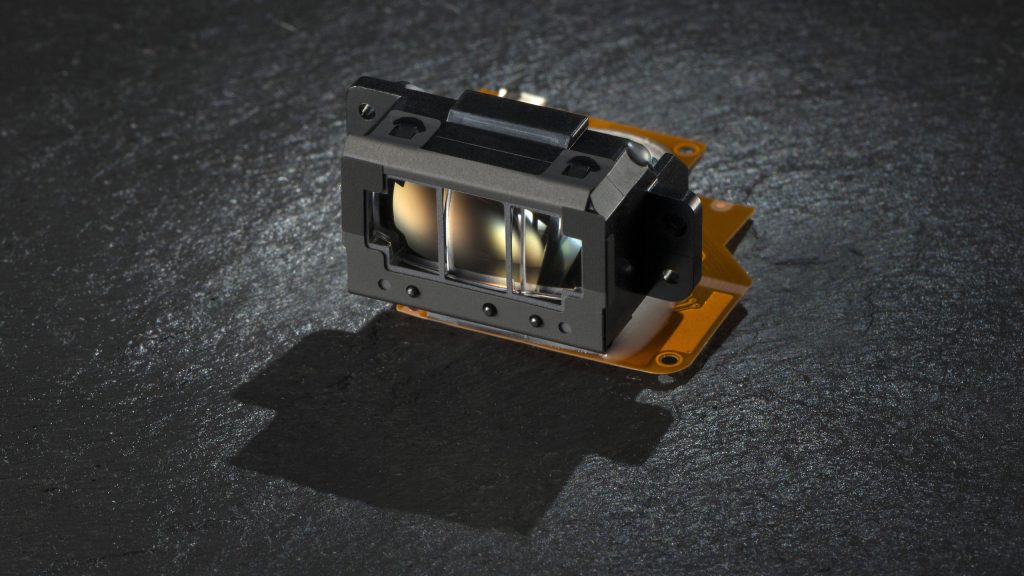
Mirrorless cameras check focus directly on the image sensor. So do DSLRs, in live view, but when you’re using a DSLR’s optical viewfinder, the setup is different. The main image sensor is not exposed at this point, so instead, the image is directed through the DSLR’s mirror to a sub-mirror on the back, which directs it down to a dedicated autofocus module in the base of the camera.
This introduces the potential for error because this AF module must be aligned precisely with the sensor plane of the camera, so that if the AF sensor says focus is correct then it should be correct on the sensor when the mirror flips up and the shutter opens.
This doesn’t always happen. Sometimes you may see a phenomenon called ‘front focus’ or ‘back focus’, where the subject you focused on is not perfectly sharp and instead the point of sharpness is a little way in front of it or behind it.
Now you can go a very long time without ever noticing any front- or back-focus issues with DSLRs. I spent years on N-Photo, the Nikon magazine, and then on Digital Camera World testing DSLRs from Canon and Pentax too, and never saw any AF issues at all. Actually, that’s not quite true – I did once have to carry out an AF fine-tune adjustment for a third-party Sigma lens on a Nikon DSLR.
More recently, though, I have had to carry out an AF fine tune adjustment on my Nikon AF-|S 24-120mm f/4 lens, which was showing noticeable back-focus issues on my Nikon D810, when the same lens seemed fine on the Nikon D800 I used before.
This is what makes these AF issues more complicated. It sounds like it should be the same for all lenses if the potential for error lies in the camera’s AF sensor positioning, but it’s also affected by the lens. If you check online forums you’ll find they’re full of stories from people with lenses that are fine on one body but not on another.
I don’t want to overstate this autofocus fine tuning issue. You might never see any front or back focus issues at all. It’s something that professional users might notice with fast, long focal length lenses, but goes unnoticed with regular consumer gear. But if you do see a consistent pattern of front or back focus issues, the fix is pretty simple and available on most mid-range DSLRs and upwards.
What is AF fine tuning and how does it work?
You won’t need any screwdrivers or wrenches. You won’t have to take anything apart or invalidate any warranties. AF fine tuning is a simple adjustment made using the camera’s menus, and can be changed or re-adjusted at any time. The adjustment, if it’s needed at all, will be different for different lenses, even on the same camera body. Nikon DSLRs, for example, will automatically detect what lens you have attached and make the adjustments specific to that lens – they can store multiple adjustments for multiple different lenses.
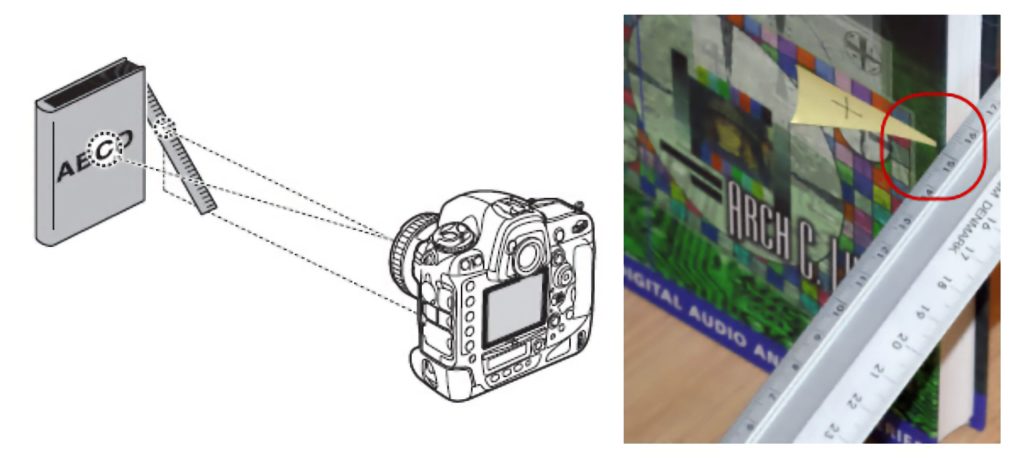
So how do you find out if your DSLR has a front or back focus issue? Check out this How to use the AF Fine-Tune function from Nikon for a simple setup you can replicate at home with a book, a ruler and a tripod. The menu commands will be specific to Nikon cameras but the test can be used with any DSLR.
The adjustment you make in the menus is a simple focus shift to compensate for any front or back focus issues revealed by the test. You add a positive adjustment to move the focus back a little to compensate for front focus issues, or a negative adjustment to bring it forward to compensate for back focus.
Nikon’s testing setup is not the only one. When you see how it works, you can devise your own easily enough. Some use a ‘Dot-Tune’ method for checking live view autofocus against the regular AF sensor. Whatever works, basically, as long as you use a tripod, work carefully and your results are repeatable.
If you are not aware of any autofocus issues with your DSLR and lenses, you probably don’t even need to do this test. You might do the test and find that all your lenses are fine. But if you do notice that your focus is consistently a little behind or in front of the object you thought you’d focused on, this could be the reason.
One response to “DSLR autofocus issues and AF fine tuning”
-

I had had the biggest issues with a Canon L 100-400 (I), getting near to close-up focus AND infinity focus right for different focal lengths on a 7D. Both use frequently …

Leave a Reply