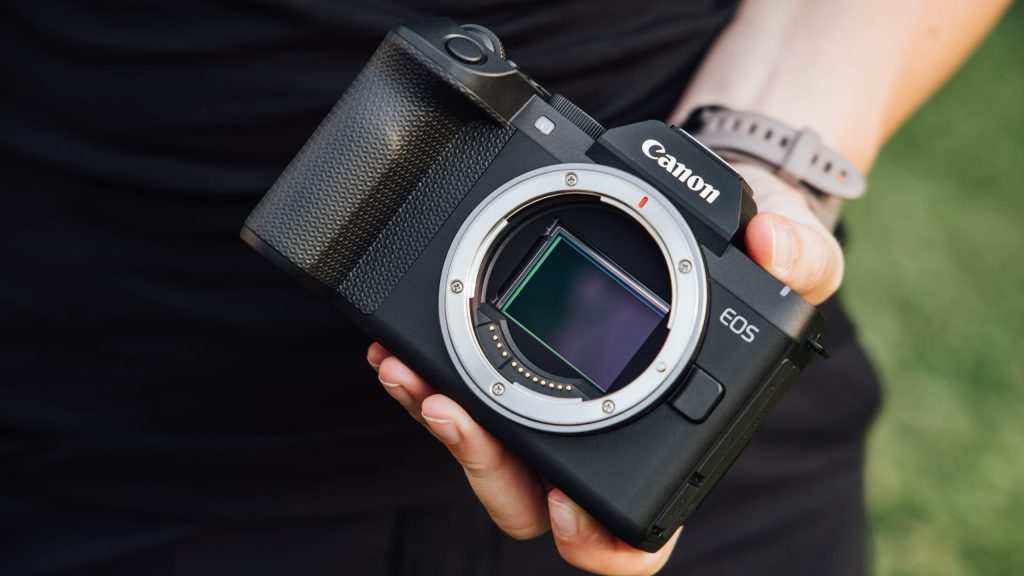
The Canon EOS R8 II has arrived, with some unexpected similarities to the old model, some welcome ergonomic changes and a new, er, design. It looks like this might be Canon’s long-rumoured ‘retro’ camera…
The similaries include what seems to be essentially the same 24MP full frame sensor and processzor and the same full-width 4K 60 oversampled video capture and 40fps burst shooting – the original EOS R8 was ahead of its time and a very powerful camera at this price point.
There have been some technical changes. Canon has increased the buffer capacity to allow for up to 73 RAW shots in a single burst – it’s still not much, but better than it was before. It’s also improved the AF subject detection and tracking persistence, even if the subject briefly disappears from view. Canon has also added a ‘pre-continuous shooting’ mode where the camera can capture 20 frames in a rolling buffer while the shutter is half-pressed, so that when the action starts you’re less likely to miss the moment.
The big news on the autofocus front is a new Register People Priority feature. You can register the faces of up to 10 people in-camera and up to 100 on a memory card, so that these individuals are prioritised by the AF system.
For most people, though, the most significant change will be the addition of in-body stabilisation. This was sorely missed on the EOS R8, especially since all of its full frame rivals do have IBIS. Canon claims the IBIS in the EOS R8 II offers up to 7.5 stops of compensation at the centre of the frame and 7.0 stops at the periphery although, as ever, Canon quotes a highly specific test setup – this time using the weighty RF 24-105mm F2.8 L IS USM Z at a focal length of 105mm. Like you’re going to use that lens on this camera…
There have been some ergonomic changes which a lot of original R8 owners will welcome. The EOS R8 II gets a joystick controller on the rear that will make changing the focus point so much easier, and the memory card slot is now in the side of the body, not squeezed into the base next to the battery.
Canon has also launched a new Extension Grip EG-E2 for this camera to increase the vertical height of the grip – highly recommended for anyone with more than three fingers (speaking as an EOS R8 owner).
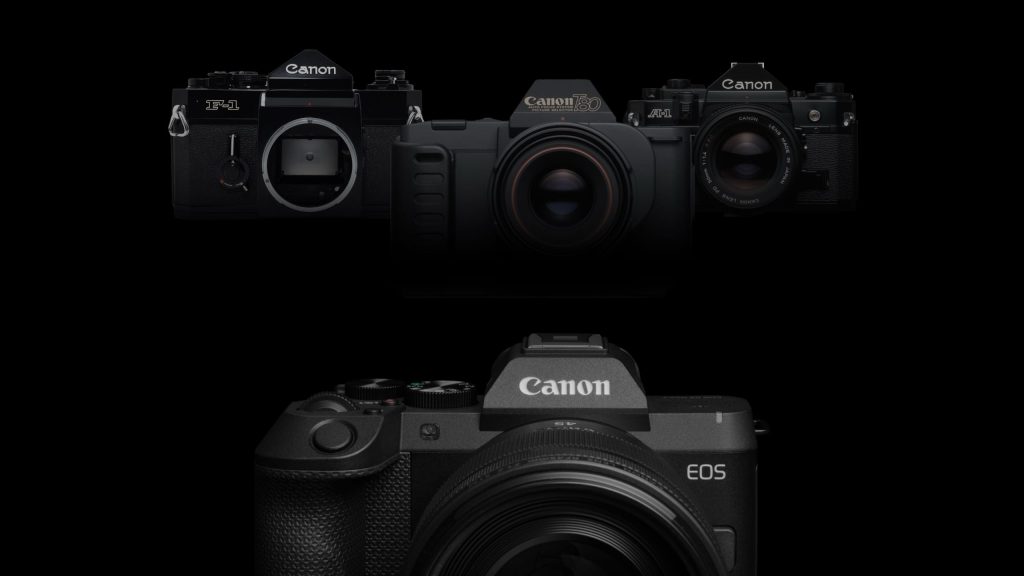
But look, we also have to talk about the design. For this, I’m going to quote from Canon’s own press release:
“The distinctly modern design marks a new chapter in the EOS R System. The Canon EOS R8 Mark II carries forward Canon’s design heritage while evolving it into a more contemporary form that meets the needs and preferences of today’s photographers and creators. A new streamlined EOS design offers confident, intuitive handling, with customisable buttons, controls and modes enabling users to personalise the Canon EOS R8 Mark II to suit their shooting style.”
Streamlined? No. You don’t make something streamlined by turning it into a box. It seems to me Canon has just undone a twenty-year legacy of curved profiles, smoothed edges and actual streamlining that set the Canon EOS apart from rival brands. The EOS R8 II just looks like a Sony A7, or a Nikon Z6, or a Lumix S5 II. I hope this really isn’t Canon’s EOS design blueprint for the future. Others of course may disagree.
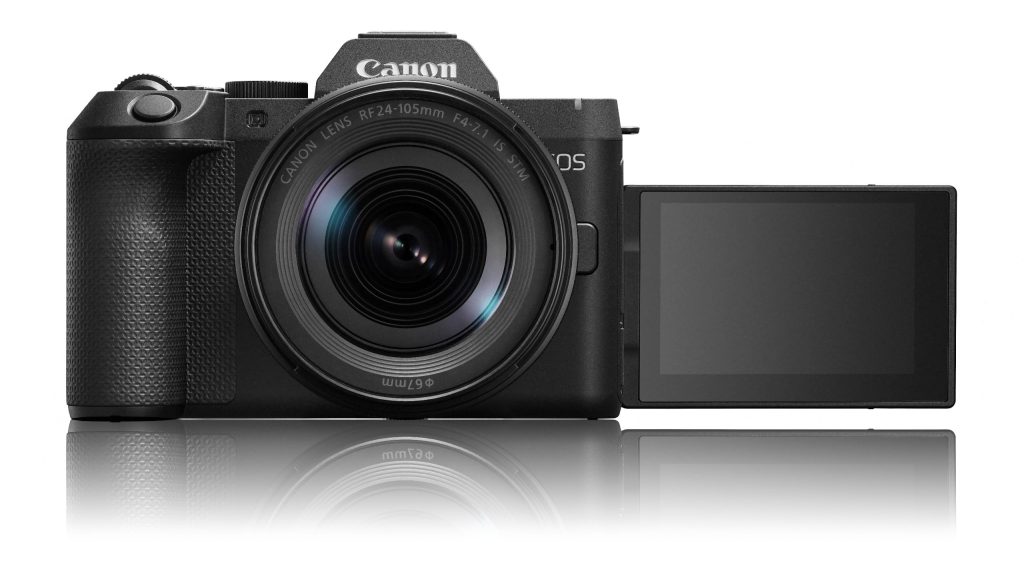
To answer the question, Is the Canon EOS R8 II really THAT much better than the original?, as an EOS R8 owner I’d say that the IBIS, memory card slot and joystick are things that the old camera definitely needed, but the core shooting and video capabilities of the EOS R8 II really haven’t changed all that much. If the Mark II followed the same EOS styling cues Canon has refined for decades, it would be a no-brainer. As it is, I find myself oddly drawn back to the old camera, even with the Mark II’s advantages.
- Where to get the Canon EOS R8 II body only: $1,899 at B&H | £1,729 at Wex
- Where to get the Canon EOS R8 II with kit lens: $2,099 at B&H (with RF 24-50mm f/4.5-6.3 IS STM) | £2,119 at Wex (with RF 24-105mm f4-7.1 IS STM)
Leave a Reply