EISA stands for Expert Imaging and Sound Association, and it hands out camera awards every year. It’s not the only organisation to do this as there is also TIPA (Technical Image Press Association), which announces its own awards earlier in the year. Both organisations license out their award logos for camera makers to use in their marketing. If that sounds a little cosy, well, kind of.
What happens is that each organisation gets together a panel of camera industry experts and press to decide what this year’s categories should be and who should win. The categories don’t stay the same every year because, as these organisations will point out, the imaging landscape is evolving rapidly, and last year’s categories may no longer be relevant.
This is handy, because it makes it easier to make sure each brand is a winner in one category or another. That doesn’t mean the whole thing is rigged – absolutely not – but it is a reflection of how these awards are a complex exercise in diplomacy and marketing. TIPA and EISA get to maintain their authority as awards bodies, and they get revenue from the camera brands for their use of awards logos. The camera makers, in the meantime, get to use TIPA or EISA awards as part of their marketing.
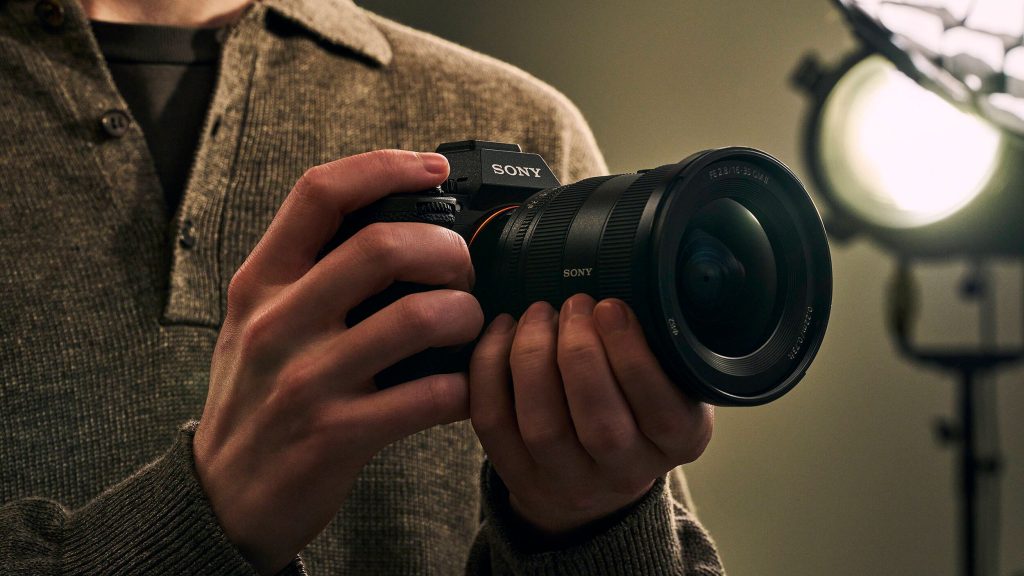
There’s no doubt that the Sony A7 V and A7R VI deserve their ‘Camera of the Year’ and ‘Professional Camera’ awards, and there’s no way a panel of experts would give out an award which they didn’t feel was deserved. The wiggle-room lies in the categories chosen, so that one way or another everyone wins a prize.
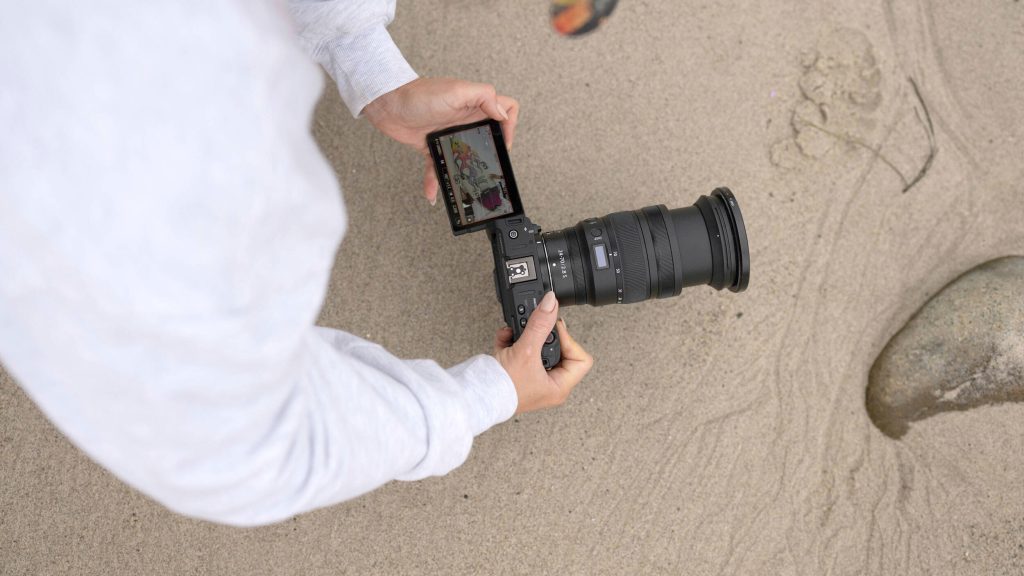
These categories may not make a lot of sense to everyone, and are not consistent between the awards bodies. The Nikon ZR was awarded ‘Best Advanced Compact Camera’ by TIPA earlier in 2026, and while it’s nice that this excellent camera was recognised I’m not sure any of use would describe a full-frame mirrorless hybrid as a ‘compact camera’ or use the word ‘Advanced’ instead of something more descriptive like ‘professional hybrid’. EISA gives the ZR a ‘photo/video’ camera award, which does at least make sense.
So it is easy to be a bit cynical about these awards when typically everyone comes away with something, but for any of these cameras to get one of these awards, it does have to be special in some way. There are no duds here. Just remember that EISA and TIPA awards are not buying guides, just independent commercial endorsements of products that generally deserve it. There were plenty of other good camera launches in this period too.
5 responses to “Sony has just won two EISA awards. one for the A7 V and one for the A7R VI, but is this really significant?”
-

Whether any of these awards count in real life shows after a few years of use. With my Canon DSLRs I did not have any issues. at all – after tenthousands of shutter actuations could sell them well. On my Sony A7r2 the rubber comes off at the battery lid, the rubber on the grip shows usage clearly – which on the Canon in its last days with me still looked like new. On a side note: Sony handled a cashback claim very strangely to put it politely. Same with a Sony extended guarantee claim. I suppose a second hand LEICA is a much better purchase than any new TIPA/EISA rewarded product.
-
I’ll be honest, I tend not to keep Sony bodies long enough to wear them out. The principal issues I had with my A7 II and A7R II were battery life.
-
Fair enough. I use the A7r2 mainly inhouse for documentation – so a couple of batteries and 2 chargers are close by, dust and inclement conditions are of no mayor concern.
I mainly changed from DSLRs because of better IQ and easier MF for critical focus (and no AF calibration for longer focal lenghts – which was a pain in the AF, if you allow that pun). That’s why I won’t to go back to DSLRs, though you make some viable points in your articles. Really appreciate your views. Thank you for your good work.-
I would replace my A7R II with the III or the IV but I’m just waiting for the right used bargain! Thanks for your kind words.
-
Good choice – rIII and rIV have a better mount with 6 screws. Weather sealing on rIV seems to be the better – but not on the level of a Nikon or Canon pro DSLR.
-
-
-
-


Leave a Reply