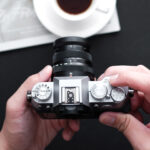
While all mirrorless cameras and DSLRs offer manual exposure controls, and some higher-end compact cameras too, they don’t all make it easy. So this guide is designed to highlight some of the camera features and designs you should look for if you want to reconnect with manual exposure techniques.
Manual photography and why it matters
Everything about modern cameras is automatic, from auto exposure to autofocus, automatic subject selection, auto ISO, auto white balance, even auto scene selection. This was all intended to make photography easier, but it's ended up making it more complicated. So this section is for anyone brought up on manual cameras or who wants to know why manual controls still exist. Shooting in manual is not just something we did before cameras got smart. It's something we did when WE were smart.
What is ‘equivalence’ in exposure theory, and why is it so important?
‘Equivalence’ is a rather dry, abstract term which doesn’t really tell you anything. What it means in photographic exposure, though, is that if you change one thing, like the shutter speed, then you have to make up for it by changing another, typically the lens aperture. Equivalence is at the heart of everything your camera’s exposure system does.
What’s the smartest way to get manual control of your camera? Get a ‘dumb’ lens!
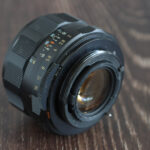
Modern cameras aren’t really set up for manual control. You can adjust the shutter speed, lens aperture and focus manually, but you have to do this indirectly via the mode setting, command dials and manual lens focus rings that are designed more as an emergency override than a front-line control. But there is an answer.
This is why manual controls on cameras matter, and it’s not about clinging to the past
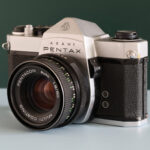
Cameras are tools, right? They are there to do our bidding. But while a modern digital camera will do just that, just as old-school analog cameras did, something has changed. A new layer of context-dependent electronic interfacing has inserted itself between the physical controls at our fingertips and what the camera actually does. There is no longer an obvious, direct, mechanical connection between the camera and us.
Manual photography: Why shoot manual at all?
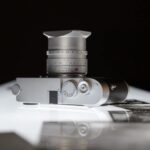
Digital cameras have had auto-exposure and autofocus for so long now that a whole new generation of photographers may never have used manual controls, and an older generation of photographers raised on manual cameras may have abandoned these controls long ago in favor of labor-saving automation. But even today, all DSLR and mirrorless cameras, and many high-end compacts, still offer manual control. Why? And is it still worth shooting in manual when autofocus and auto-exposure are so much easier and quicker?
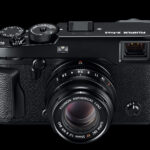
How hard can it be to find an all-manual camera with actual DIALS?
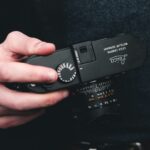
We all know that any DSLR or mirrorless camera can offer both manual exposure and manual focus. What I’m actually asking is how many cameras offer these as external controls like old-fashioned film cameras? The answer, depressingly, is almost none.