
IBIS, or in-body stabilization, is considered the gold standard for image stabilisation today, and lens-based optical image stabilisers are consider old tech, or second best at least. But is that actually correct? And if OIS is so old hat, how come so many lenses still use it?
Used DSLR bargains in 2026. What can you get for £500/$500? You’ll be amazed!
Used digital SLRs are just insane value for money right now – if you know which models to look out for. Some brands and some types are more sought after than others (I don’t why), so the trick is do dodge these and look for the real bargains that are just as good but way, way cheaper. Here’s my list.
Never used a DSLR before? Here’s what to expect
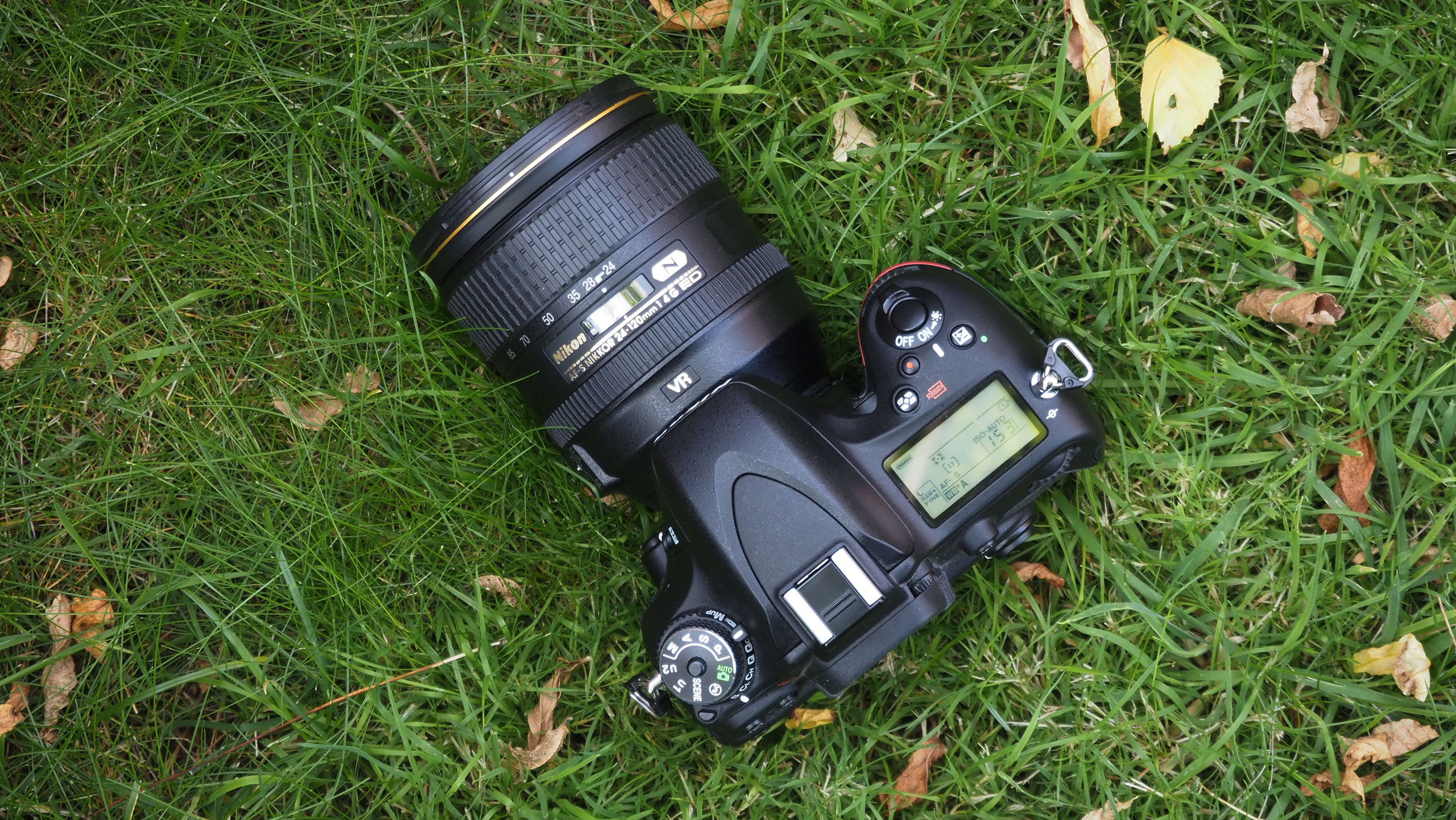
It’s easy to forget that a whole new generation of photographers has probably never used a DSLR. If you grew up in the mirrorless era, or you got into photography when mirrorless cameras were the norm, a DSLR will feel like a very strange beast… at first. Why even bring this up? Because a very strange thing is happening. As new camera sales dwindle, the used camera market is booming, and DSLRs are among the most popular retro purchase, because for now at least they are cheap, practical and powerful, and compatible with a lot of equally cheap lenses.
When we turned our back on DSLRs we gave up a lot of things we shouldn’t have
One of these is the optical viewfinder. When mirrorless cameras first came out, almost all of my tech journo colleagues embraced electronic viewfinders for showing what the camera will actually capture, and for the mechanical simplicity of the mirrorless design. I wasn’t so sure, but I couldn’t really explain why. Now I think I can.
Everyone thinks Panasonic Lumix G Micro Four Thirds has had it. Really? Let’s see
There’s a lot of gloom around the Micro Four Thirds format these days, much of it from MFT fans worried that their favorite formate might be on the way out, and a lot of it from full frame sensor zealots who think it’s about time. This second bunch is just plain wrong, so let’s not worry about them. Let’s look at what’s actually happening on the ground.
What the GoPro Mission 1 Pro ILS tells us about sensor size
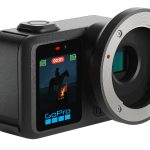
The GoPro Missiion 1 Pro ILS is due this September and it’s a pretty odd sort of camera, a kind of fusion between GoPro’s action camera sensor technology and interchangeable lens cinema cameras. It will use a Micro Four Thirds lens mount but GoPro’s existing 1-inch type sensor. What’s interesting, though, is what this small sensor can achieve – 8K 60p and 4K 240p video, or 8K 30p and 4K120p in open gate mode. These are insane specs in a $699/£599 camera.
The IBIS hall of shame – mirrorless cameras that don’t have in-body stabilization in 2026
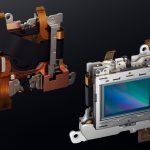
Is in-body stabilization essential? Maybe not for stills photography, though it has some definite advantages. Video is a different matter, especially in cameras designed for video beginners, YouTubers and novice content creators. This is an audience that doesn’t have time for tripods, doesn’t want to mess with gimbals and doesn’t understand why their new camera is worse than their phone. So which mirrorless cameras don’t have IBIS in 2026 and is it a problem?
Canon has not launched a new APS-C camera for more than three years. Should we be worried?

There is one exception, which is the Canon EOS R50 V, launched in April 2025, but can we really count that even as a new camera or even a hybrid model that photographers might buy? It’s a variant of the regular EOS R50, which was launched back in February 2023, and the ‘V’ version is clearly aimed at vloggers, not even hybrid photographers. The fact is, Canon’s APS-C development seems to have stopped in May 2023 with the old-tech, cut-price EOS R100.
It’s not photo-graphy any more, it’s fomo-graphy – the fear of missing out on the latest camera tech
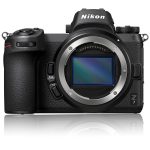
I little while ago I was seriously considering the Nikon Z7 – this was when it first came out in 2018. Then the Z7 II and its superior features made think I was wise to wait and then the Z8 arrived to make the Z7 look weak by comparison. But do you want to know the stupidest thing of all? If I had bought the Z7 right at the start, I’d still be perfectly happy with it today.
Sony FE 100-400mm F5.6-8 OSS launched – an AFFORDABLE telephoto at last!
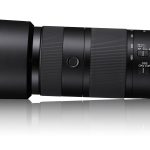
Sony already makes TWO 100-400mm lenses, but these are the more expensive Sony FE 100-400mm f/4.5-5.6 GM OSS variable aperture zoom at around $2,698/£2,149 and the even more expensive Sony FE 100-400mm f/4.5 GM OSS at around $4,298/£4,399, but the new FE 100-400mm F5.6-8 OSS is dramatically cheaper at $848/£848 and the first genuinely affordable option for beginners and enthusiasts.